
How to Receive SMS Online Without a SIM Card
Imagine you’re traveling abroad and need to verify your account on a new app, but you don’t have your SIM card handy—or maybe you want to create a new account without sharing your personal number. In situations like these, receiving SMS online without a SIM card can be a real lifesaver.
Online SMS services allow you to get verification codes, receive messages, and even manage multiple accounts without a physical phone. This method provides convenience, privacy, and flexibility, whether you’re signing up for apps, testing SMS delivery, or protecting your personal information. In this guide, we’ll explore how these services work, the different methods available, their pros and cons, and practical use cases so you can choose the best solution for your needs.
Benefits of Receiving SMS Without a SIM Card
Using online SMS services instead of a traditional SIM card offers several advantages:
- Privacy Protection – You don’t have to expose your personal phone number when signing up for new platforms.
- Cost Savings – No need to buy multiple SIM cards or pay for roaming charges when abroad.
- Convenience – Messages can be received instantly on any device with internet access, regardless of your location.
- Multiple Accounts – Useful for creating accounts on apps or platforms that require unique phone numbers.
- Global Accessibility – You can select numbers from different countries without needing to be physically present.
How Online SMS Receiving Works
Instead of relying on a physical SIM card inside a phone, online SMS platforms utilize virtual numbers. These are genuine, active phone numbers that can be found on the internet.
Here’s how it works in simple terms:
- A virtual number is assigned to you by an online service.
- When someone sends an SMS to that number, the message is received by the provider’s server.
- The message is displayed online — either in a web browser, an app, or forwarded to your email.
This way, the entire process happens digitally. You never need to insert a SIM card, yet you still receive text messages just like with a normal phone.
Methods to Receive SMS Online
There are several ways to get SMS messages without using a physical SIM card. The best method depends on whether you need a temporary verification code or a long-term number for ongoing use.
Web-Based Platforms (Temporary/Disposable Numbers)
These websites provide short-term phone numbers for free or at low cost. They are ideal for quickly receiving verification codes without sharing your personal number.
- How it works: Pick a number from the website, use it during registration, then check the inbox online.
- Best for: Quick sign-ups, one-time verifications, trials, or contests.
- Examples:
- Receive-SMS-Online.com – free, multiple countries.
- FreePhoneNum.com – free, limited refreshes.
- SMS-Receive.net – free, easy interface.
- Receive-SMS-Online.com – free, multiple countries.
- Pricing: Mostly free; premium numbers cost $1–$ 5 per day for improved reliability.
- Pros: Free or inexpensive, fast, no registration required, available in multiple countries.
- Cons: Public numbers may be blocked by some platforms, limited reliability, and messages may disappear after a short time.
VoIP and Virtual Numbers
Apps like Google Voice and TextNow offer persistent phone numbers that function similarly to real ones. They allow you to receive SMS messages, make calls, and sometimes even forward messages to email.
- How it works: Obtain a virtual number from a provider, which allows you to receive SMS messages and occasionally calls; it can be used repeatedly.
- Best for: Long-term use, multiple accounts, or maintaining privacy over time.
- Examples:
- Google Voice – free in the U.S.; SMS & calls.
- TextNow – free in the U.S./Canada; premium $2–$10/month.
- Google Voice – free in the U.S.; SMS & calls.
- Pros: Reliable, reusable, suitable for multiple accounts, and works with many apps.
- Cons: Some apps detect and block VoIP numbers; usually requires an account setup; may be limited to certain countries.
Email-to-SMS Gateways
Some providers let you receive text messages directly in your email inbox. While not as common today, this can still be useful if you prefer managing all communication from your email client.
- How it works: Assign a number via the gateway; incoming SMS is delivered directly to your email.
- Best for: Occasional verification, centralized message tracking, or testing purposes.
- Examples:
- Twilio SMS-to-Email – pay-as-you-go: approximately $0.0075 per message.
- Nexmo / Vonage – prices vary by country and volume.
- Twilio SMS-to-Email – pay-as-you-go: approximately $0.0075 per message.
- Pros: Keeps messages in email, suitable for logging/testing, and reliable delivery.
- Cons: Less user-friendly, requires technical setup, and is usually a paid service.
How to Receive SMS Online: A Step-by-Step Guide
Here’s how you can receive SMS online in just a few minutes:
- Select a Provider – Choose whether you want a temporary online platform or a long-term virtual number.
- Choose a Country and Number – Many platforms allow you to select numbers from various regions, tailored to your specific needs.
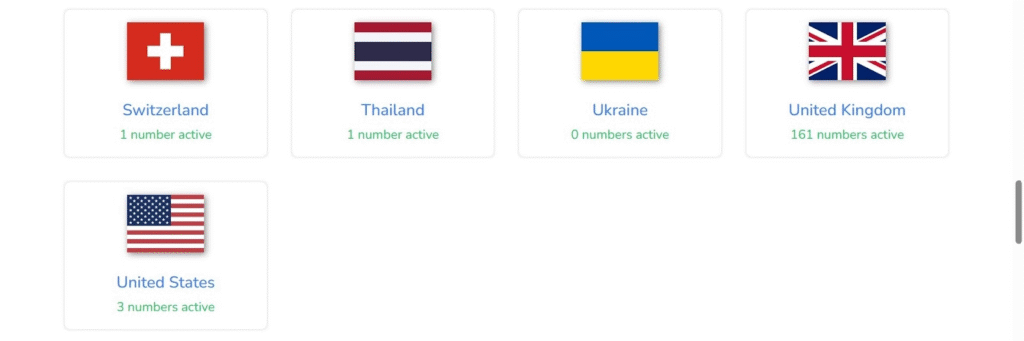
- Use the Number During Sign-Up – Enter it on the website or app that requires verification.
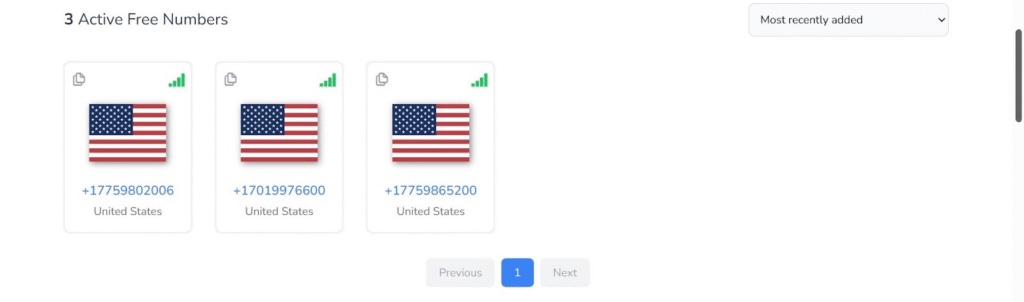
- Check Messages Online – Refresh the provider’s inbox or app to view the SMS.
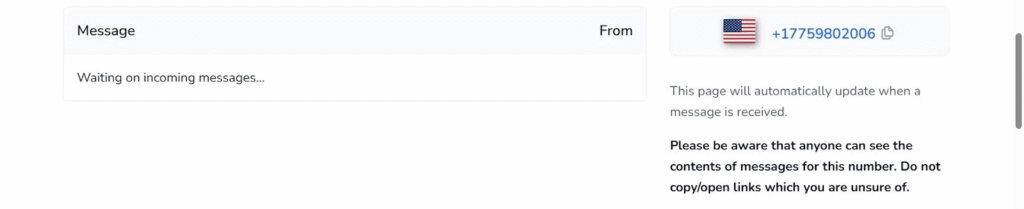
- Dispose or Keep the Number – If you only needed it once, discard the number. If it’s a permanent virtual number, continue using it as required.
Limitations and Difficulties
| Challenge | Explanation |
|---|---|
| Blocked by Some Services | Major platforms (e.g., banking, Google, WhatsApp) often reject temporary numbers. |
| Message Delays | SMS delivery can be slow or unreliable during peak times. |
| Limited Reuse | Numbers can be recycled quickly, making accounts difficult to maintain over the long term. |
| Privacy Risks | Public numbers can be viewed by anyone, risking account takeover. |
| Not Suitable for Sensitive Data | Shouldn’t be used for banking, medical, or personal secure accounts. |
| Regional Restrictions | Some platforms accept only numbers from specific countries. |
Practical Use Cases
| Use Case | Best Method | Notes / Tips |
|---|---|---|
| Signing Up for Apps & Websites | Web-based temporary/disposable numbers | Suitable for one-time use; may be blocked by major platforms |
| Testing SMS Delivery | VoIP or virtual numbers | Useful for developers or marketers; choose a number that can receive multiple messages |
| Accessing Services Abroad | Virtual numbers (Google Voice, TextNow) | Pick a number from the country you need; it may require registration |
| One-Time Verifications | Disposable SMS platforms | Ideal for contests, surveys, or free trials |
| Keeping Privacy Online | Dedicated virtual number | Avoid public/shared numbers for sensitive accounts |
Conclusion
Receiving SMS online without a SIM card is a versatile and practical solution for anyone looking to protect their privacy, save costs, or manage multiple accounts efficiently. From web-based disposable numbers to VoIP services and email-to-SMS gateways, there are options suitable for both temporary verifications and longer-term needs.
While these services offer convenience and flexibility, it’s important to understand their limitations, such as possible blocks from major platforms, message delays, or privacy risks with public numbers. By selecting the most suitable method for your specific use case, you can reap the benefits of online SMS while mitigating potential challenges.
With the right approach, receiving SMS online can simplify account management, testing, and online communication—without ever needing a physical SIM card.

Leave a Reply